Dropping Video.
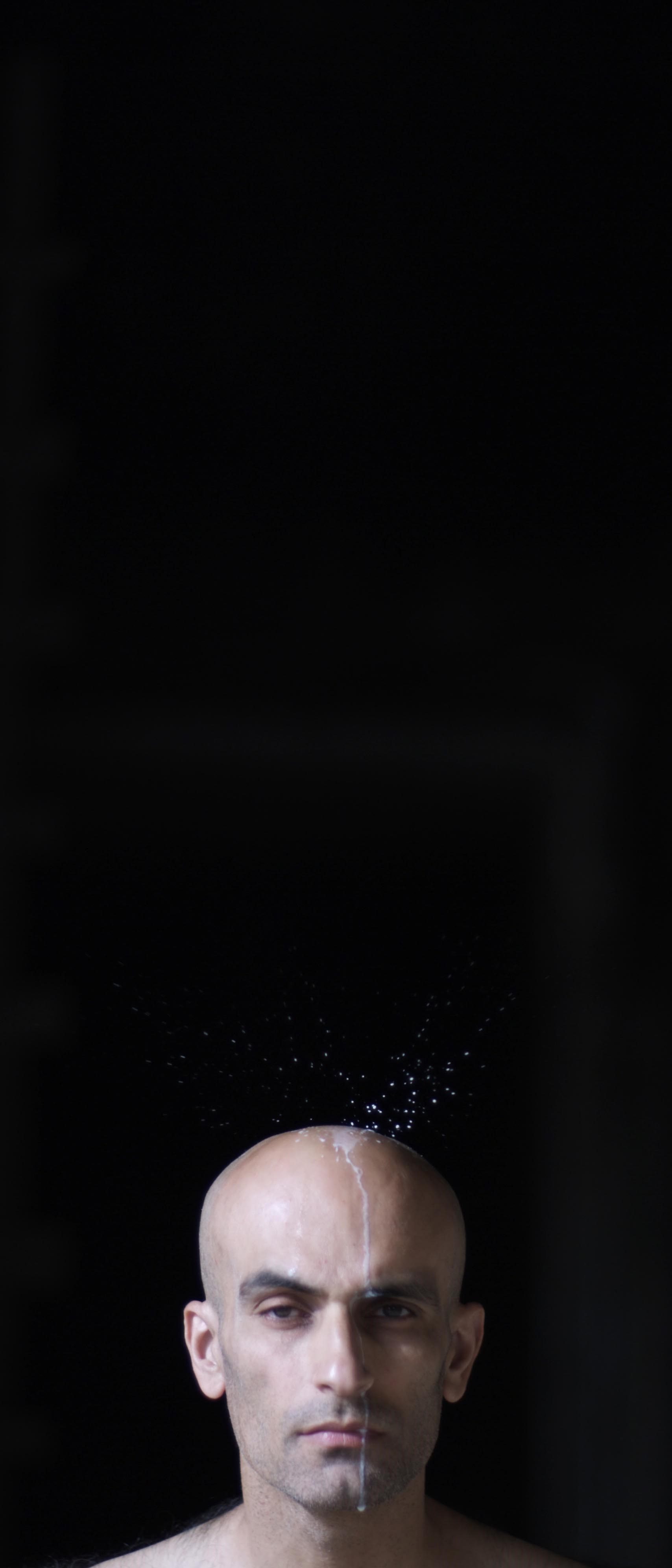
DROPPING Performance staged for camera, 2014.
Alternativa 2014, Gdansk Poland
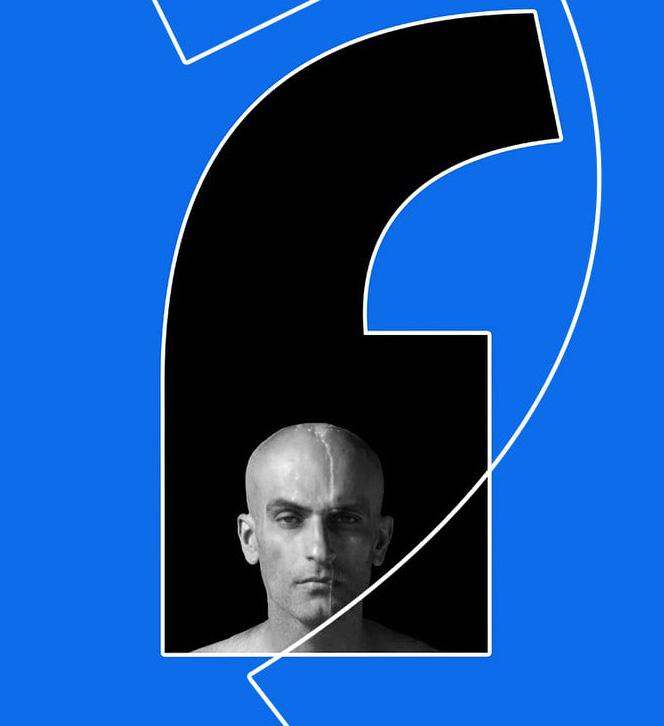
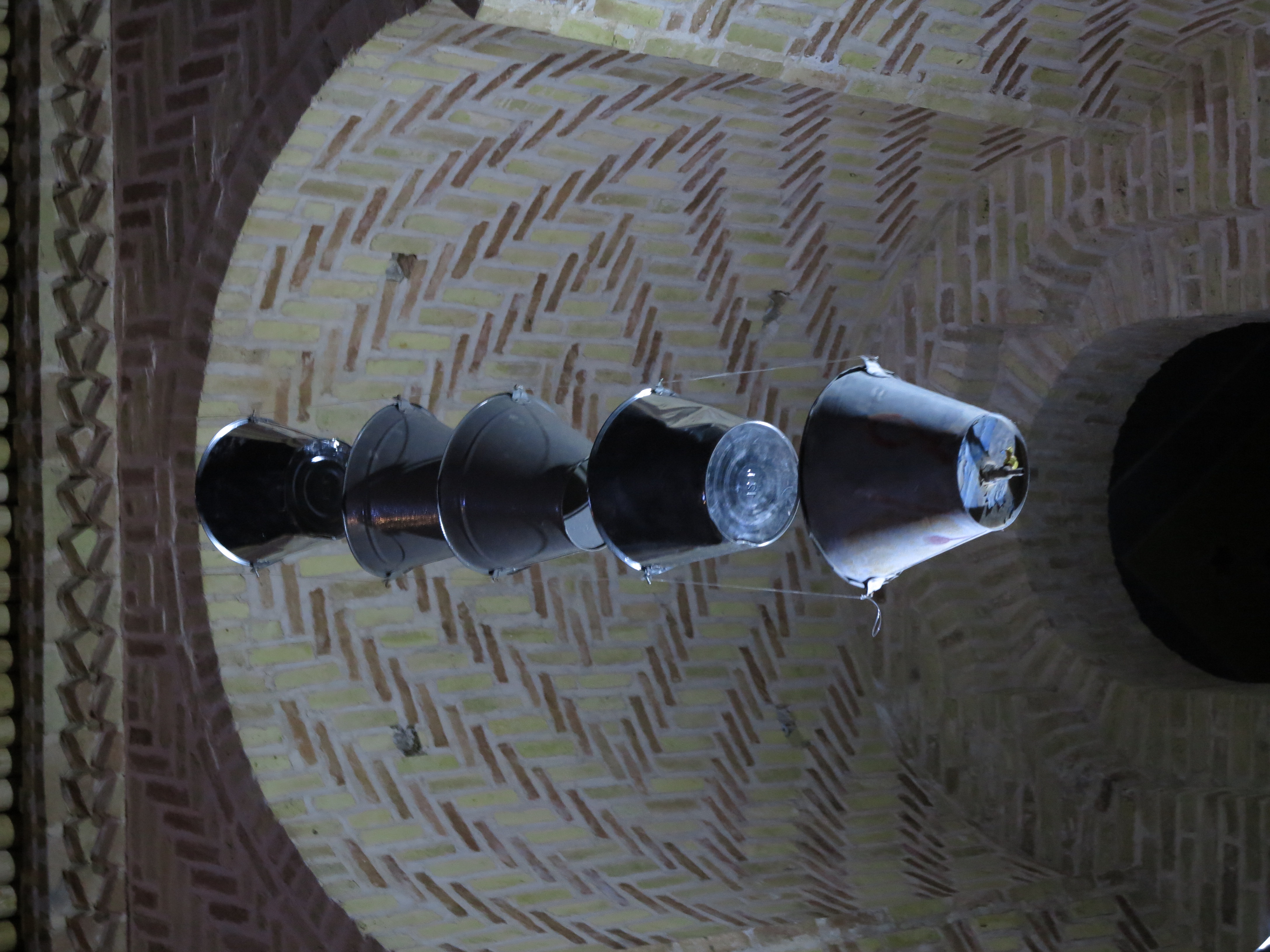
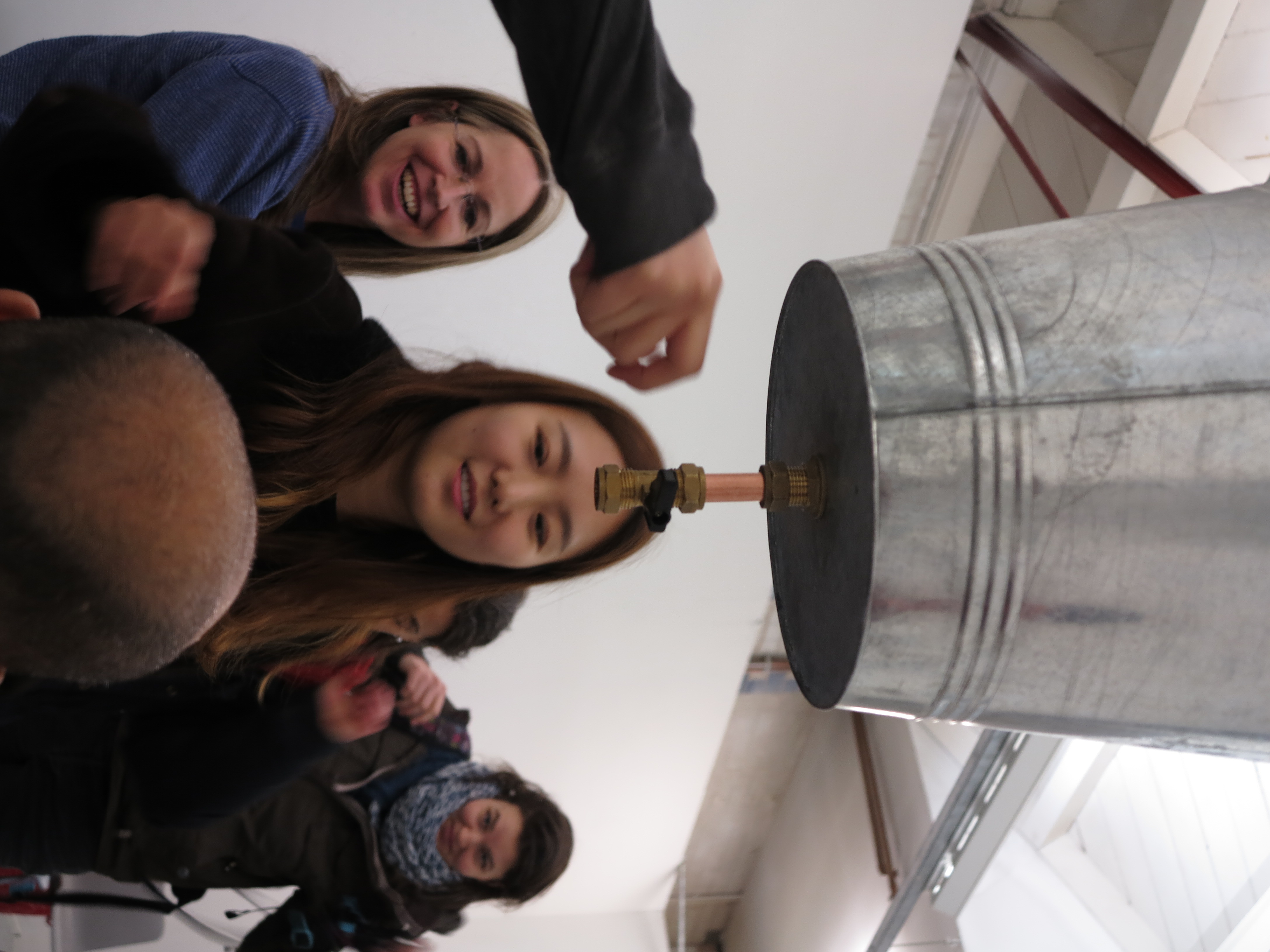
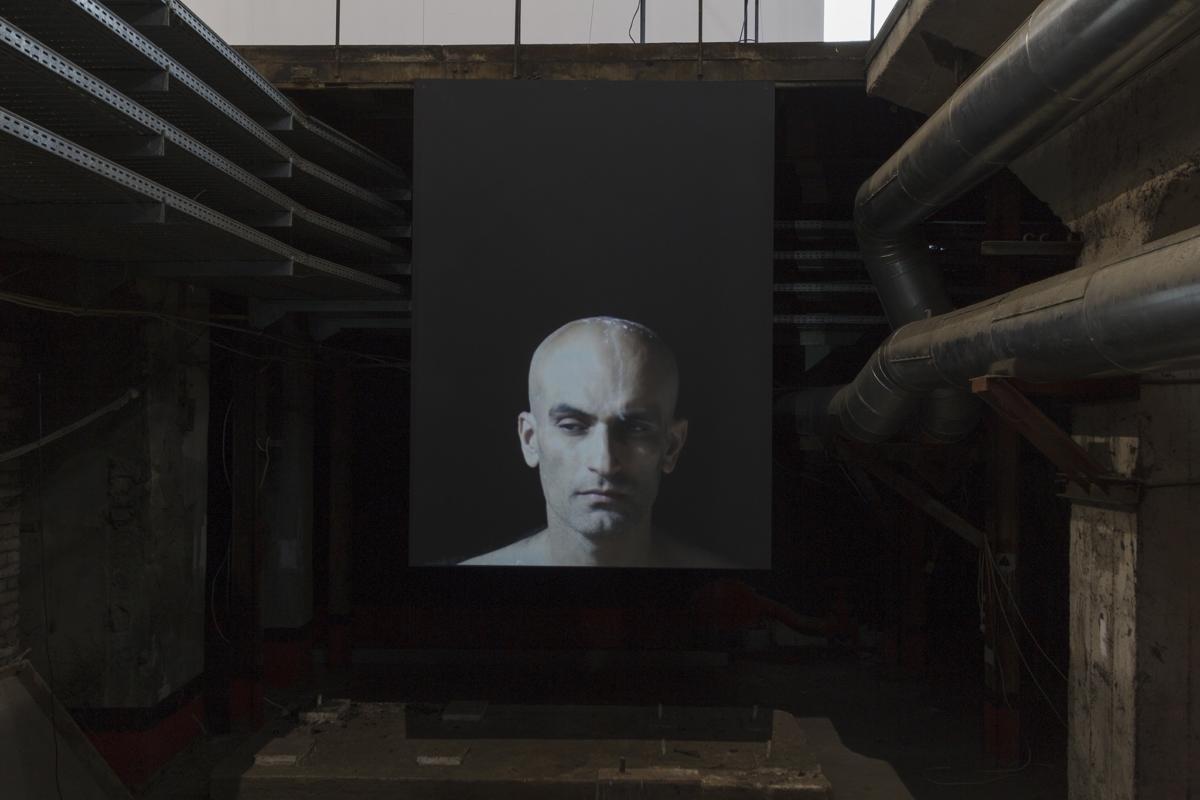
“Dropping” is a direct-to-camera performance recording by Rebeen Hamarafiq. Drops of milk fall at regular intervals onto the naked head of the artist filmed against a black background. Within a few minutes a small puddle of milk is formed on the top of the artist’s skull, and a thin trickle runs down his weary face. What we see is an obvious reference to the so-called Chinese water torture, in which cold water is slowly dripped onto the victim’s head. Seemingly mild and “humane”, deprived of spectacular violence and bloodshed, it is in reality painful, mentally debilitating and considered one of the most effective.
2014 Degree Show, Goldsmiths.
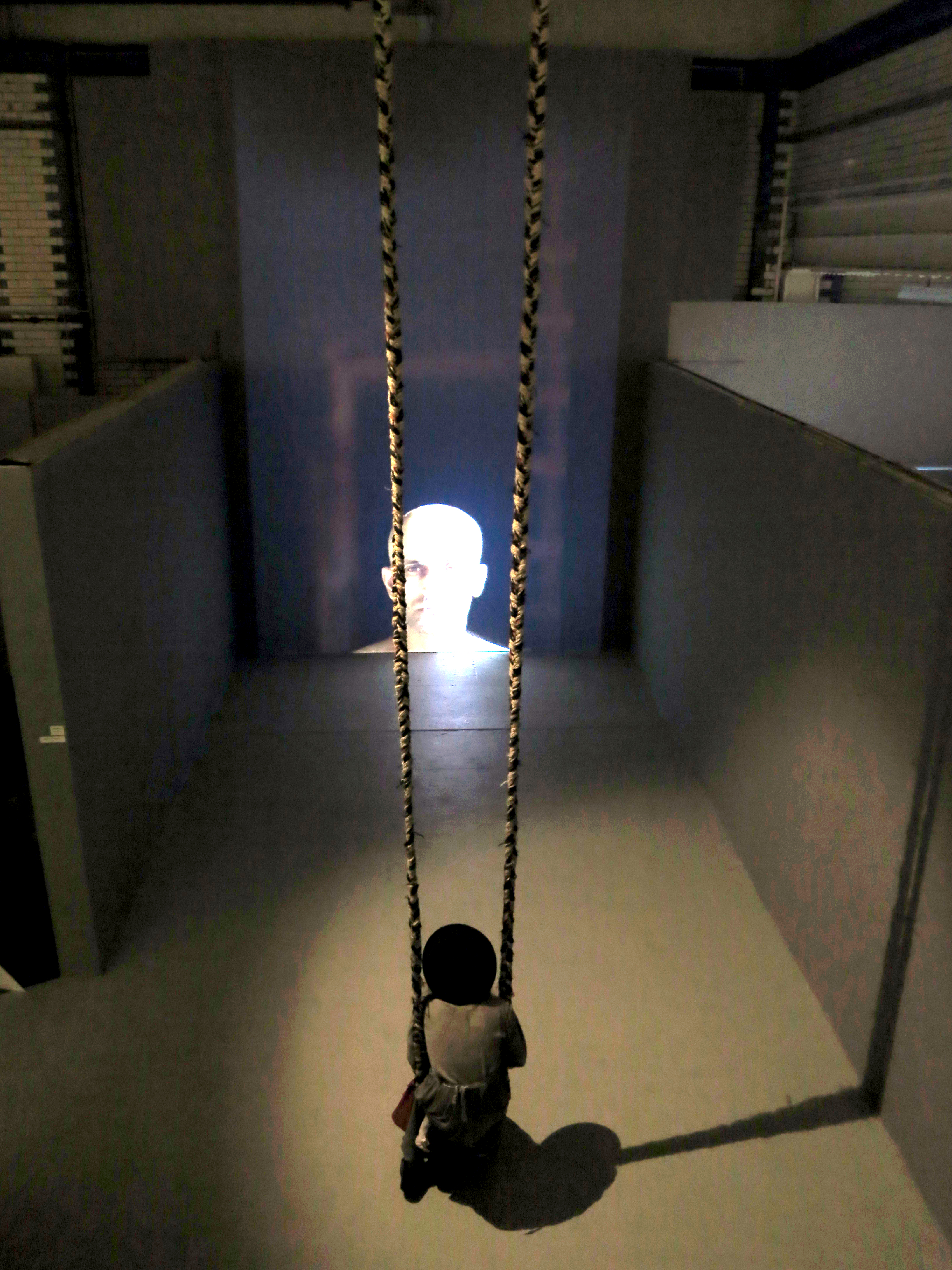
In the degree show at Goldsmiths, the work was shown with another work to build a space between swinging and looking at the video of the performance while the swing was 6 metres high; one was able to enjoy the dropping of the milk and build a space between enjoying swinging and watching the Chinese torture. The swings were made in my village, Delezha, by three old women as a collaborative work, encouraging them to build the biggest (guriss); the Kurdish name for the rope that the swing is made of. And while they had to make it very big, 14 metres long and four times thicker than normal ones-the work became work for many others to help them in the collaborative work they participated.
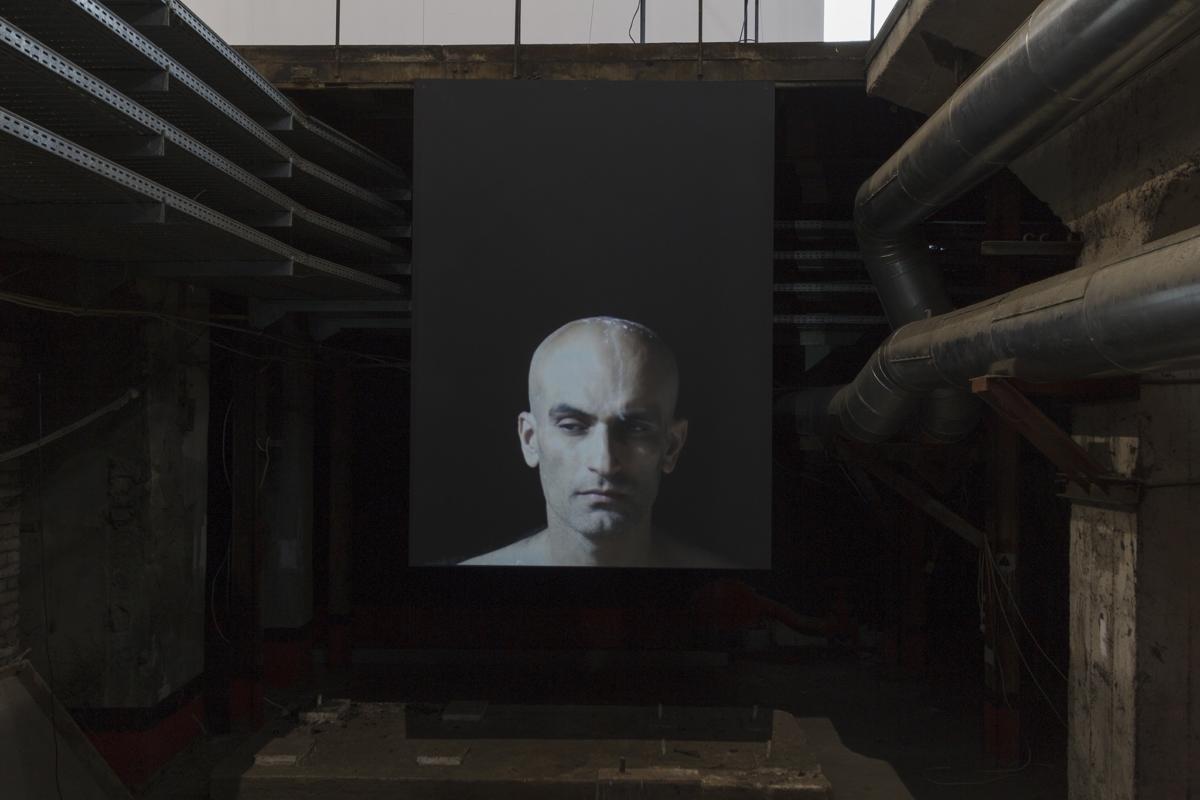
2020 Arsenal Gallery power station, ul. Elektryczna 13, Białystok
At Arsenal Gallery, Hamarafiq’s video is installed in a space below the level of the exhibition – the basement area symbolizing a torture chamber or prison, but also the humiliation of the victims of the abuse. The theme of torture often appears in the works of Kurdish artists, which has an obvious connection with the history of their nation and the painful experiences of their families and friends.
The motif of dripping milk also refers to Hamarafiq’s experience of fatherhood. The artist looked after his newborn daughter while his wife was working toward her university degree. Attempting to cope with a new situation, weary with the day-to-day monotony and challenges, the artist was also haunted by fear for his daughter’s future. It stemmed from, on the one hand, the artist’s memories of his own difficult childhood in Kurdistan under Saddam Hussein and, on the other, his desire to protect his daughter from experiencing Kurdish women’s sense of being unable to break through their limiting social, religious and cultural circumstances.
Esta Gallery2 in the Culture Factory of Sulaimany